
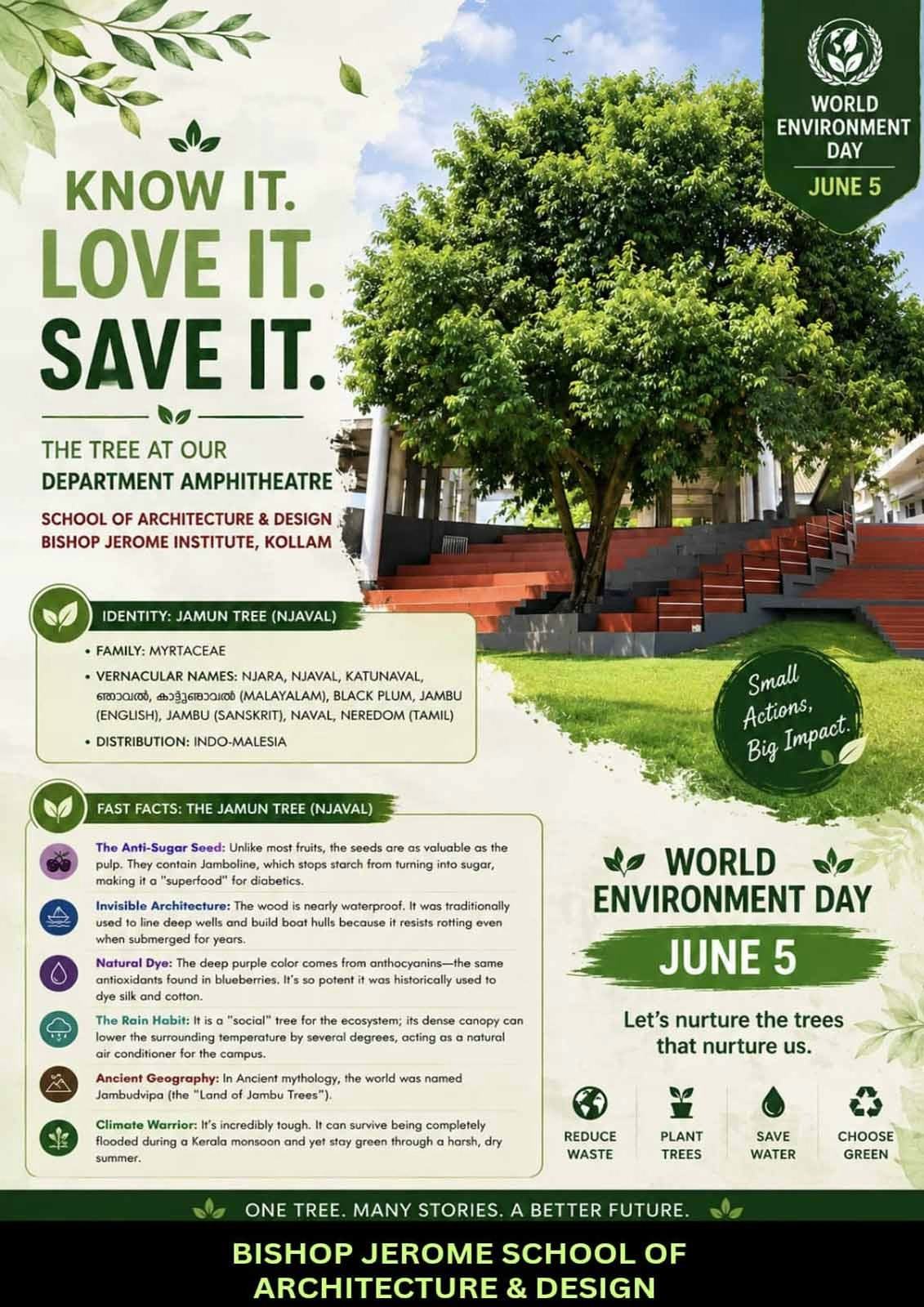
In celebration of World Environment Day, the School of Architecture & Design at Bishop Jerome Institute, Kollam, highlights a remarkable natural feature located right at their department amphitheater: the Jamun Tree (Njaval).
This tree is more than just a canopy for students; it is a living lesson in ecology, history, and resilience. As we mark June 5th, we reflect on its significance—not only for our campus environment but for the broader ecosystem.
Identity and Origins
The Jamun tree (Syzygium cumini) belongs to the Myrtaceae family and is native to the Indo-Malesia region. Known by a multitude of names across languages, it holds deep cultural roots:
Malayalam: Njara, Njaval, Katunaval, ഞാവൽ, കാട്ടുഞാവൽ
English: Black Plum, Jambu
Sanskrit: Jambu
Tamil: Naval, Neredom
Fast Facts: Why the Jamun Tree is a Super-Species
The Jamun tree is a masterclass in nature’s engineering and medicinal value. Here are a few reasons why this species is revered:
The Anti-Sugar Seed: Unlike most fruits, where the pulp is the primary draw, the Jamun seed is highly valued. It contains jamboline, a compound that helps prevent starch from turning into sugar, making it a recognized "superfood" for diabetics.
Invisible Architecture: The wood of the Jamun tree is renowned for being nearly waterproof. Historically, it has been used to line deep wells and construct boat hulls, as it resists rotting even when submerged for years—a testament to its structural integrity.
Natural Dye: The tree's signature deep purple color is derived from anthocyanins, the same powerful antioxidants found in blueberries. These pigments have been historically used to dye delicate materials like silk and cotton.
The Rain Habit: Acting as a natural air conditioner for the Bishop Jerome Institute campus, the tree’s dense canopy provides significant shade, lowering surrounding temperatures by several degrees. It is truly a "social" tree, fostering a healthier micro-climate for those around it.
Ancient Geography: The significance of this tree spans millennia. In ancient mythology, the world was known as Jambudvipa, literally translated as the "Land of Jambu Trees."
Climate Warrior: The Jamun tree is incredibly tough. It possesses a remarkable ability to survive being completely flooded during a Kerala monsoon while remaining lush and green throughout even the harshest, driest summer.
Celebrating World Environment Day
At the Bishop Jerome School of Architecture & Design, we believe that understanding the trees that nurture us is the first step toward environmental stewardship. "One tree, many stories" is not just our motto—it is our commitment to a better future.
This World Environment Day, we encourage everyone to embrace the core values of sustainability: Reduce Waste, Plant Trees, Save Water, and Choose Green.
Let us nurture the trees that nurture us. Small actions today create a big impact tomorrow.