
Can Music Exist Without Sound?
Can we experience music without hearing it? And if music could be experienced not through hearing, but through form, geometry, and visual rhythm, would the brain still experience the same sense of wonder and happiness?
The Research Team of the Architecture and Design Department at Bishop Jerome Institute is exploring these fascinating questions through an innovative interdisciplinary study combining Carnatic Music, Neuroscience, Physics, Mathematics, Applied Arts, and Architecture.
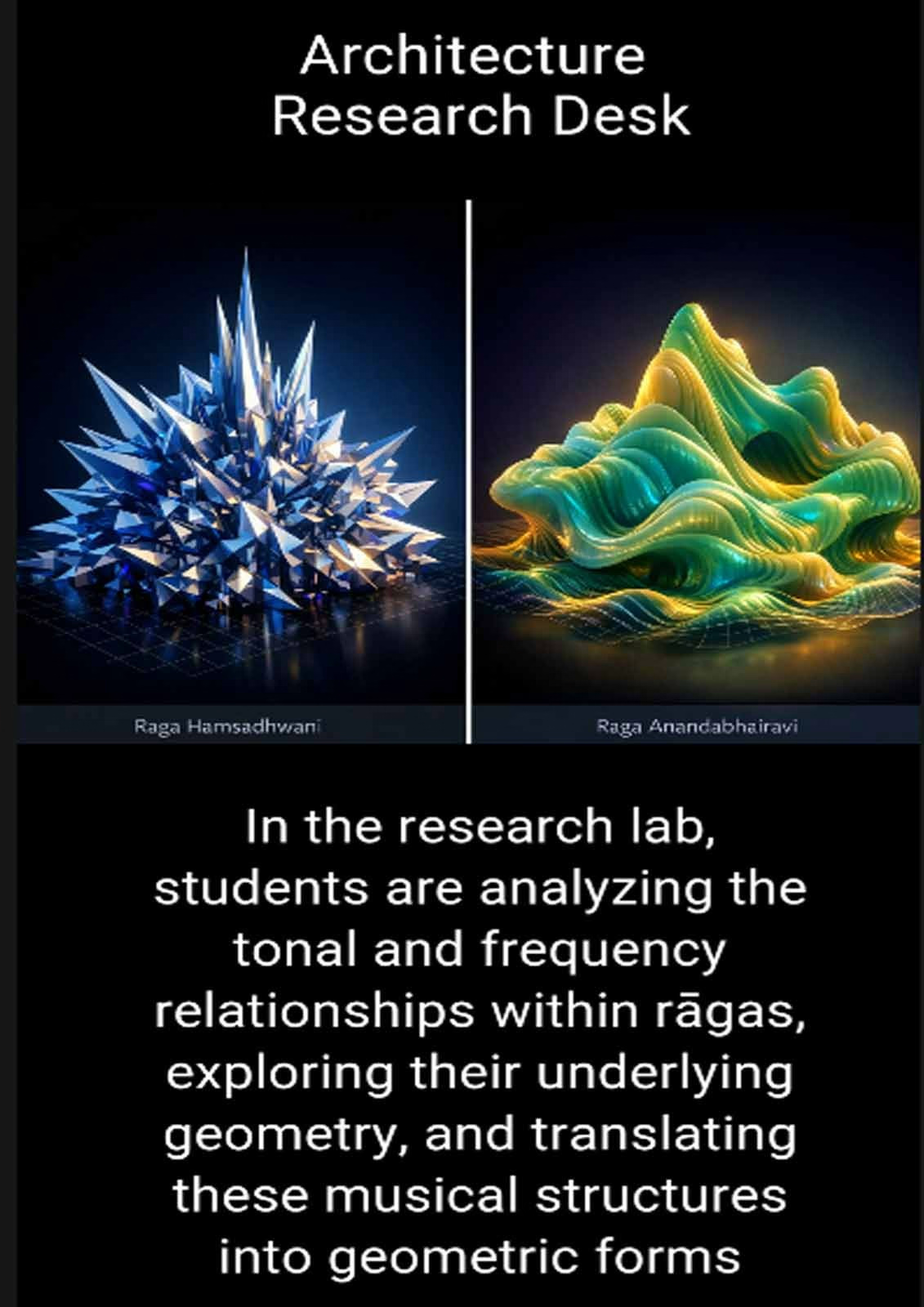
In the research lab, students are studying the tonal and frequency relationships within rāgas and converting these musical patterns into visual and spatial geometric forms. The research explores how rhythm, symmetry, proportion, and harmony in music may also exist as geometric structures that can be seen and experienced visually.
By connecting music with brain science and geometry, the team is investigating how the human brain responds to harmony not only through sound, but also through visual patterns and spatial forms. This pioneering pre-publication research opens new possibilities in understanding the hidden relationship between music, emotion, space, and human perception — raising a powerful question: can music be not only heard, but also seen and emotionally felt through geometry?
ശബ്ദമില്ലാതെ സംഗീതം നിലനിൽക്കുമോ?
സംഗീതം കേൾക്കാതെ അതിനെ അനുഭവിക്കാനാകുമോ? സംഗീതത്തെ ശബ്ദത്തിലല്ലാതെ രൂപങ്ങളിലും രേഖകളിലും ജ്യാമിതിയിലും ഒളിപ്പിക്കാൻ കഴിയുമോ ?
മനുഷ്യ മസ്തിഷ്കം സംഗീതത്തെ കേൾക്കുന്നതിന് പുറമെ “കാണുകയും” അതിലൂടെ അതേ ആനന്ദം അനുഭവിക്കുകയും ചെയ്യുമോ?
Bishop Jerome Institute-ലെ Architecture and Design Department-ന്റെ Research Team ഇപ്പോൾ അന്വേഷിക്കുന്നത് ഈ അതിശയകരമായ ചോദ്യങ്ങളെയാണ്. Carnatic Music, Neuroscience, Physics, Mathematics, Applied Arts, Architecture എന്നീ മേഖലകളെ ഒരുമിപ്പിക്കുന്ന ഈ നവീന അന്തർവിഭാഗീയ ഗവേഷണത്തിൽ, വിദ്യാർത്ഥികൾ rāga കളിലെ tonal-ഉം frequency-ഉം തമ്മിലുള്ള ബന്ധങ്ങളെ വിശകലനം ചെയ്ത് അവയ്ക്കുള്ളിലെ harmonic patterns കണ്ടെത്തുകയും, ആ സംഗീതഘടനകളെ visual-ഉം spatial-ഉം ആയ geometric രൂപങ്ങളാക്കി മാറ്റുകയും ചെയ്യുന്നു. rhythm, symmetry, proportion, resonance എന്നീ സംഗീതഘടകങ്ങൾ ശബ്ദത്തിൽ മാത്രമല്ല, ജ്യാമിതിയിലും രൂപങ്ങളിലും നിലനിൽക്കുന്നതാണോ എന്നും മനുഷ്യ മസ്തിഷ്കം അവയെ എങ്ങനെ അനുഭവിക്കുന്നു എന്നും ഈ പഠനം അന്വേഷിക്കുന്നു.
സംഗീതത്തെയും brain science-നെയും geometry-യെയും ബന്ധിപ്പിക്കുന്ന ഈ pioneering pre-publication research, Carnatic Music-ന്റെ അന്തർലീനമായ 3D geometric logic-നെ മനസ്സിലാക്കാനുള്ള പുതിയ സാധ്യതകൾ തുറക്കുകയാണ്. സംഗീതം കേൾക്കപ്പെടുന്നതിൽ മാത്രം ഒതുങ്ങുന്നതാണോ — അല്ലെങ്കിൽ അത് കാണപ്പെടുകയും, സ്ഥലമായി അനുഭവിക്കപ്പെടുകയും, geometry വഴിയും മനുഷ്യ മനസ്സിൽ വികാരമായി മാറുകയും ചെയ്യുമോ എന്ന വലിയ ചോദ്യത്തിലേക്കാണ് ഈ ഗവേഷണം നമ്മെ നയിക്കുന്നത്. -
-------- Prepublication Research School of Architecture &Design, Bishop Jerome Institute, Kollam